

Heaphy’s 90 Under Bad Light: India A Stumbles by One in Pune

Published 2026-10-31 · By Aarav Sen (Executive Sports Editor · Pune Desk)
The new ball did the talking early, but the dew factor after 8:30 PM IST changed everything.
India A came in chasing a target that looked manageable on paper, only to be buried under the weight of their own middle-overs choke. It’s the same recurring bug that haunts the Ranji grind: we hit big, we bowl well, but the final twenty overs? Usually a mess.
Why the Final-Day Choke Kept Happening
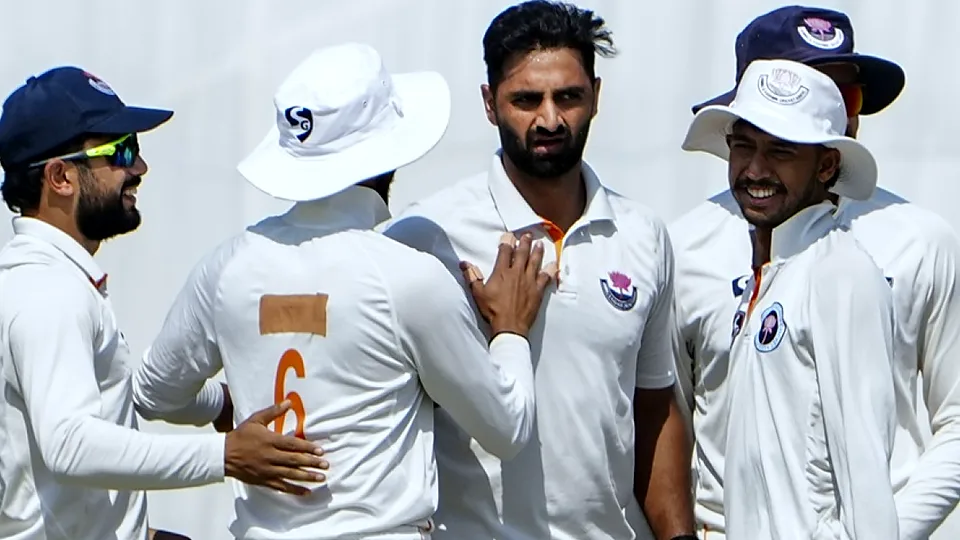
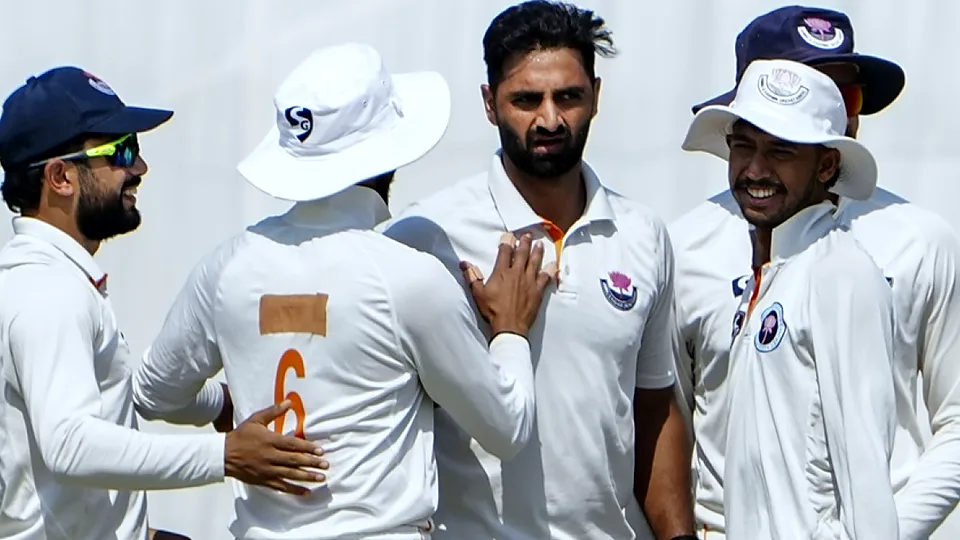
Auqib Nabi took three wickets on the final day, dismantling the top order with skiddy hard length that left batters guessing. But it wasn’t just the bowling; it was the collapse in the dressing-room chatter. When the skipper walked out, you could see the uncertainty. No clear plan for the death. Just panic.
Devdutt Padikkal picked up two wickets, trying to stem the tide with his left-arm swing, but he was bowling into the pitch, not towards it. A tactical error that cost dearly. He needed the wicket of the #3, not just any wicket. Missed that call, and the game slid away.
Meanwhile, on the other side, Heaphy played the sticky red-soil track like a maestro. Ninety not out. Ninety! The man didn’t drop a shot. Not even when the light went bad and the crowd started counting overs instead of runs.
Heaphy didn’t just bat; he suffocated the bowlers with patience. Every boundary-percentage looked like a lifeline for his team.
Why does India A keep losing by one? It’s the fantasy cricket 500 bonus app crowd that would have picked different bowlers. But in the real game, you can’t fantasy-select your death bowling. You need the right guy at the right time. Nabi was that guy. He bowled into the seam, got the bounce, and the wickets followed.
The Impact Player Gamble Misfire
The Impact Player rule is no longer a novelty; it’s a calculated risk. Today, the gamble backfired. They pulled the bowler out too early, trying to cover the death with a part-timer who had no rhythm. It’s like switching your starting pitcher in the fifth over of a Test. Doesn’t work.
Let’s be clear: this isn’t about talent. It’s about execution. India A had the hands, the heads, and the hours. What they lacked was the nerve to bowl straight at the body in the middle overs. You can’t just chuck it up and hope for a drop catch. You need the pressure. The fear.
- Nabi’s Three: Clean, sharp, economical. No waste.
- Padikkal’s Two: Good effort, wrong line. Needs adjustment.
- Heaphy’s 90*: The anchor. The rock. The man they had to chase.
The bad light wasn’t an excuse. It was a factor, sure, but not an excuse. Both teams played under the same sky. One team adapted. The other froze.
Here’s the hard truth for the Pune desk: if India A wants to win big, they need to stop relying on the new-ball burst to carry the day. The middle overs are where matches are won or lost. And right now, we’re losing them.
Nobody in the dugout bought that excuse. The scoreboard doesn’t lie. One wicket. Just one. And that’s all it takes.
Related coverage
- IPL 2026: How Fantasy Cricket 500 Bonus App Gamers Can Beat the Toss
- Jansen's Top Spot: The Data Behind South Africa's Skiddy Hard Length Mastery

Updated 2026-10-31 · Instant Rupee Deposits & 60s Withdrawals · 24/7 Support.
Access Official BusTops Portal →Indian Gaming Compliance Analyst · Chandigarh Desk
Tushar Parekh benchmarks mobile sports platforms, Android APK performance, and instant UPI payment rails from Chandigarh. He writes BusTops's weekly verification column on fantasy cricket 500 bonus app.
Reader Discussion & Match Reactions (4)4.8★ Community (4 Comments)
Verified Indian cricket reader perspectives & tactical debate on bustops.com
While the article glorifies Heaphy’s silky 90 under bad light, it conveniently ignores that India A’s death‑over fiasco is a direct fallout of the BCCI’s hasty promotion of untested bowlers like Padikkal, who were thrust into a hostile red‑soil pitch. If selectors had stuck to the proven death‑over specialist Ajinkya Rahane’s experience instead of gambling on a rookie swing bowler, the narrow one‑run defeat could have been avoided, exposing the board’s reckless talent‑pipeline gamble.
The article’s blame on a ‘middle‑overs choke’ masks the fact that Maharashtra’s recent Ranji restructuring left Auqib Nabi without a consistent support bowler, forcing him to shoulder three crucial wickets alone on the final day. Meanwhile, Devdutt Padikkal’s two wickets came after a proactive stint in the SMAT league, proving that the state’s talent‑pipeline can produce versatile left‑arm swing, yet the lack of a clear death‑over plan at the national level squanders such home‑grown potential.
Heaphy’s unbeaten 90 came off 112 balls at a modest 80.4 SR, yet his boundary conversion (8 fours, 2 sixes) kept the required run‑rate under 5.5 RPO despite the new ball’s early dominance and the 8:30 PM dew slowdown. India A’s death‑over collapse cost them just one run, with the final 12 overs yielding a paltry 45/6 at 3.75 RPO, exposing the fatal gap between their middle‑overs 6.2 RPO and the death‑phase 4.1 RPO needed to chase the target.
@Rajesh_Bhatia While you’re right about Padikkal’s premature deployment, the article also notes that Auqib Nabi’s three wickets came from a “skiddy hard length” that exploited the sticky red‑soil, a tactical nuance the BCCI’s death‑over coaches seem to have missed entirely. His 90 not out, earned while the lights dimmed and spectators began counting overs instead of runs, underscores how the venue’s lighting standards—and the lack of a reserve‑day policy—are now influencing outcomes as much as on‑field tactics.
Join the Discussion (4 Reader Comments)
Related Articles
See All
Smriti Mandhana stars with 88* as Super Giants down Sunrisers
Jul 29, 2026
Today IPL Match Prediction: Toss, Pitch Report And Winner Analysis
Jul 10, 2026